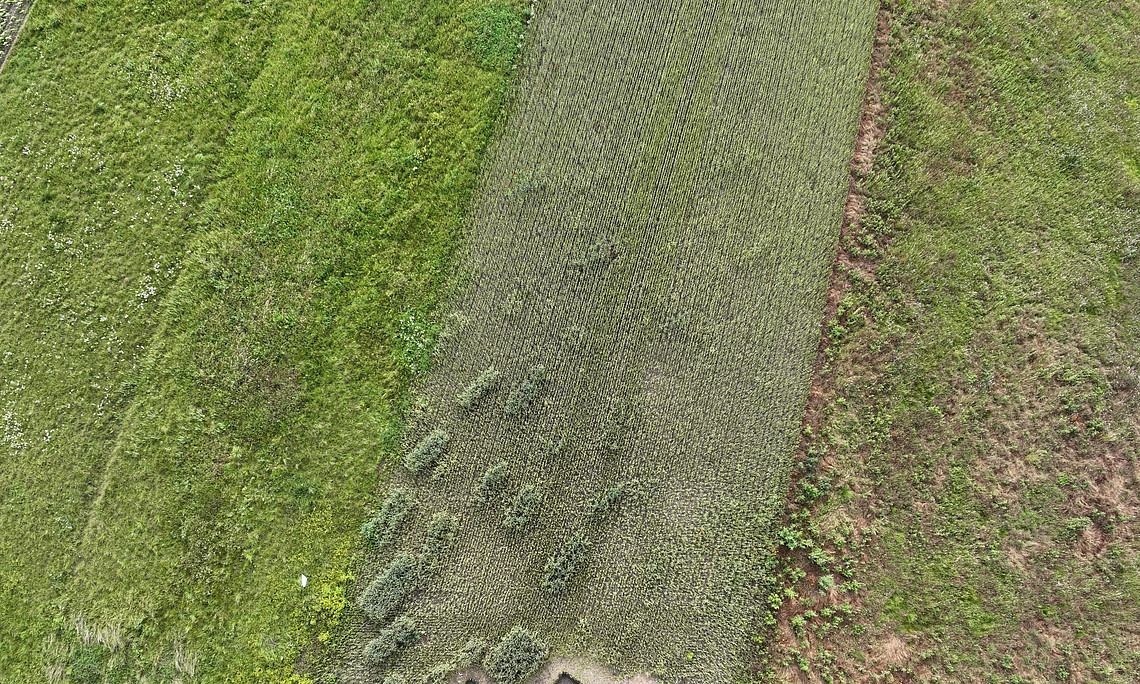



Located near the city of Győr in western Hungary, the cemetery of Gyirmót–Homokdomb dates back to the 6th century AD, a period often referred to as the Migration Period. The site was excavated in 1994 by archaeologist Péter Tomka, revealing a small burial ground of 37 graves that offers a rare glimpse into the funerary practices of the time.
What makes this cemetery particularly fascinating, and highly relevant for the PresentDead project, is that many of the graves were reopened at different times after burial. In some cases, the bodies may not even have fully decomposed when this happened. These varieties of interventions raise important questions: Why were the graves reopened? What actions were performed? And what do these gestures reveal about how people in the early Middle Ages related to their dead?
Following an initial research visit to the Rómer Flóris Museum in August 2025, we resumed our study of the collection in early March, this time in Budapest, where the material is currently hosted through a collaboration with Eötvös Loránd University. During this two-week research stay (1–13 March), we continued our work as part of the PresentDead project, combining expertise in archaeology and bioanthropology.
Our main goal was to closely examine the human remains to identify traces left on the bones. These marks (Bone Surface Modifications) can reveal whether and how graves were reopened. At the same time, we carefully revisited the original excavation records from 1994, which are essential for understanding how the graves were first discovered and documented.
So far, we have studied more than half of the cemetery: 21 out of 37 graves across two research sessions. During this latest visit alone, we analysed 15 graves representing 17 individuals. Remarkably, most of these graves show signs of reopening, exactly the kind of evidence we are investigating in the project.
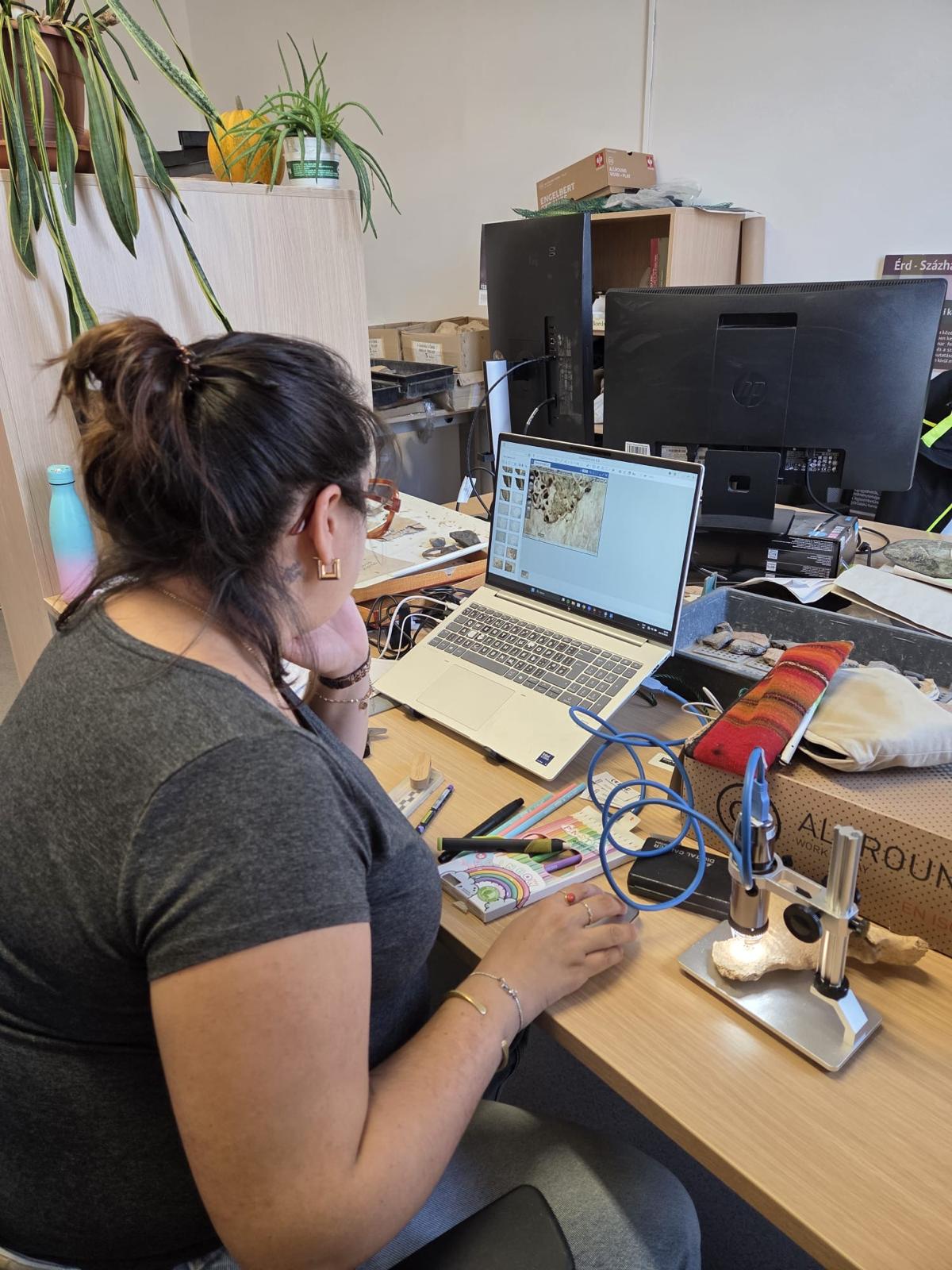
The work was organised collaboratively. While Regina Csordás focused on inventory recording and photographic documentation, Eliza Orellana-González concentrated on the identification and recording of bone surface modifications, including microscopic observations when necessary. Throughout the process, we constantly compared our observations with the original excavation notes, allowing us to better reconstruct what happened to these graves over time.
The bones are generally moderately preserved, often showing traces of weathering. Some of these alterations may be linked to ancient grave reopening, while others are likely due to later processes such as excavation or storage.
Several graves revealed particularly intriguing evidence, including cut marks, stains left by metal objects, and uneven patterns of preservation. Together, these clues help us piece together the gestures performed when the graves were reopened: whether objects were removed or bodies disturbed.
The data collected during this mission will now be further analysed in Graz, where the next stage of the project will take place. A future visit will allow us to complete the study of this cemetery, shedding more light on early medieval relationships with the dead in this region of ancient Pannonia.
This research would not have been possible without the generous support of our Hungarian colleagues and partner institutions, who facilitated access to the material and provided the space for our work.
Eliza Orellana-González & Regina Csordás